


Auto Insurance Quote

Gulf Coast Cleanup is Looking Sticker for Everyone

June 7, 2010

Based on recent reports, BP stands to lose the most from insurance claims that rise as a result of the Gulf oil spill.  If the press conferences between BP, and politicians did not confuse you, may finding out who is going to pay for the cleanup will.  From an insurance perspective, the financial clean up is getting stickier by the day.

As an insurance professional, my first question is simple. What is BP truly liable for?  BP’s chief executive officer Tony Hayward has told major new outlets the company will honor all legitimate claims arising from the disaster.  What will BP and all the experts consider legitimate insurance claims?

Based on reports from the Insurance Journal and Business Insurance blogs, BP will bear the cost of clean up.  Clean up estimates range as much as $3 billion or more.  Now that at least 70 lawsuits have already been filed against BP, Transocean, Cameron, and Halliburton, who will payout and how much will they pay?  Since U.S. law currently limits energy companies’ liability to $75 million per spill, how is the rest going to be paid?  Well, simply put, taxpayers could end up paying.

Similar to the National Flood Insurance Program, the U.S. federal government maintains a fund which is financed through taxes on energy companies.  At some point, that fund may kick in to start paying oil spill related damages.  On top of all that, BP only carries reinsurance.  That means they are self-insured up to a certain amount and then a excess company kicks in to cover the remainder – depending upon how much they’ve contracted with BP.

So if you ask anyone for a black and white answer regarding who will pay for the oil spill and how much will they are liable pay, at this point they’ll probably say some think like, who knows?  This will get even more confusing once you add in the Hurricane factor.

Since the official beginning of Hurricane season, questions arose regarding pollution caused by a Hurricane dispersal of crude oil.  Since most home insurance policies specifically exclude damage caused by pollution, BP, et al, and the U.S. Federal government may need to look at the potential damage to coast home owners caused by pollution.

Don’t forget all the different businesses that will be hurt because of the lack of seafood production coming from the Gulf of Mexico.  Will we see Business Interruption claims from seafood companies on the east coast that get their Seafood from Gulf because they cannot get food to cook and sell?  We already know that all the gulf fishermen are stranded because of oily fish.  No pun intended!  All I can say is that this oil spill will get really sticky.  I didn’t mean that one either.

Four Questions for Auto Insurance

February 19, 2010

Using the right tool for a job is key to success in any profession. Experts say the same principle applies when selecting an auto insurance policy. Having the right type of policy can help ensure that you, your employees and your business are all protected in the unfortunate event that one of your vehicles is involved in an accident.

If you’re a business owner and you or your employees use a vehicle for business-related deliveries or to carry certain materials to and from a job site, you may need a commercial auto insurance policy that’s tailored to more closely suit the needs—and risks—of a business vehicle operator.

Here are some questions that can help you determine if you might need a commercial auto policy instead of a personal auto policy, courtesy of TXINSURANCEPRO.COM

• Do you need more liability coverage than your personal auto policy provides? Generally, a commercial auto policy provides higher limits of liability, but less or no coverage in areas that are typically not associated with commercial auto risks.

• Do you need special coverage for situations associated with con-ducting business? Commercial auto policies also usually offer certain coverages—such as hired and non-owned auto coverage and coverage for towing a trailer for business use—that are not available with personal auto policies.

• Do you need to list any employees as drivers? You can do this with a commercial auto insurance policy.

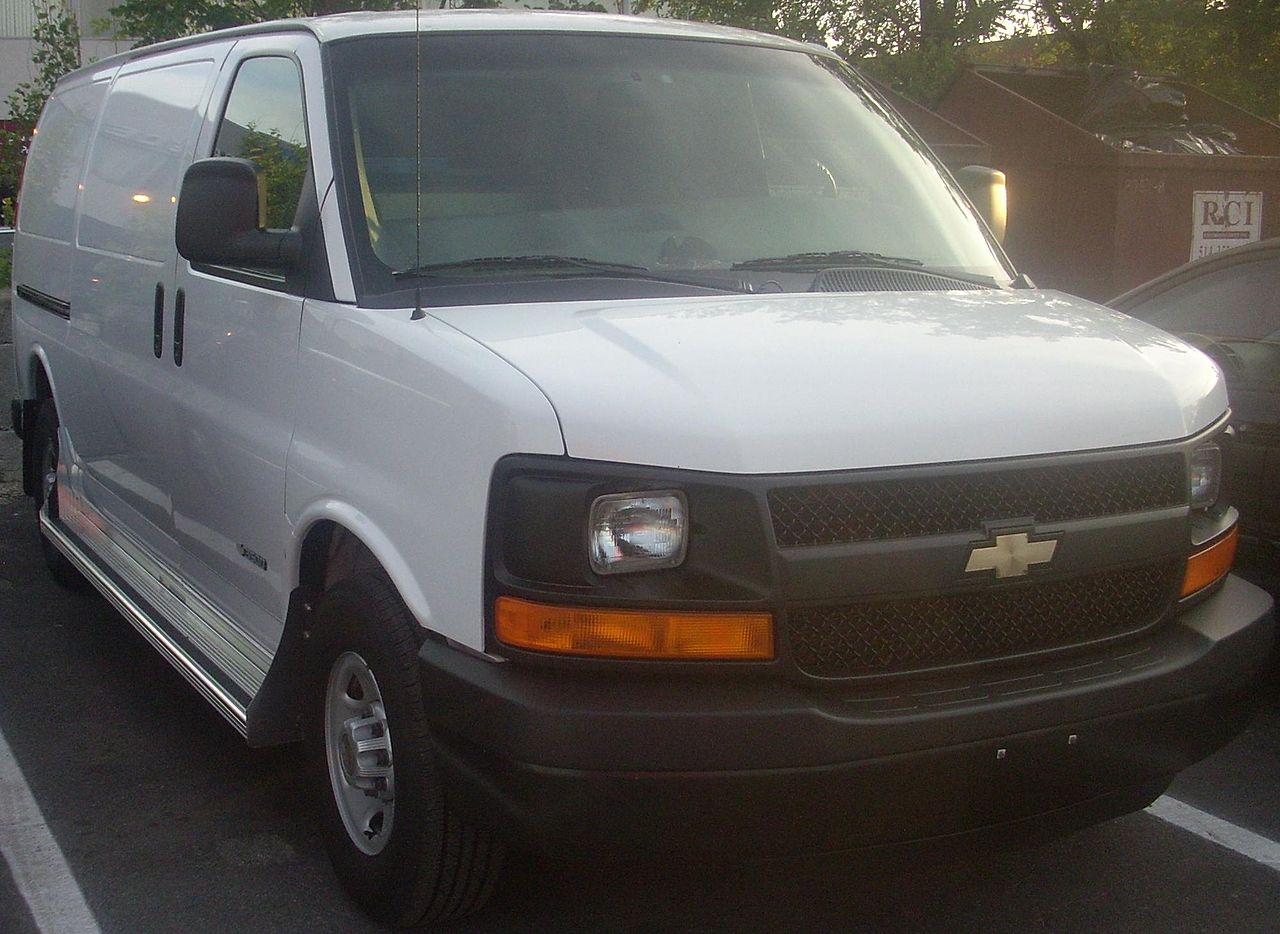
• Do you use your vehicle for business purposes? If you use your vehicle for things like pizza or newspaper delivery, catering, door-to-door consulting service, landscaping or snowplowing service, logging business, day care/church retreat van service and/or farm-to-market delivery, you might need a commercial auto policy.

TXINSURANCEPRO.COM  is an independent insurance agency – trained, licensed insurance professionals who offer personal service and advice. We can help match you with the type of policy that best suits your needs and those of your company.

To learn more about all an independent agency offers, visit WWW.TXINSURANCEPRO.COM  or give us a call us at 214-717-4326.

Business Insurance Services

December 10, 2009

  • 154733Commercial Auto Insurance (Business Vehicle Insurance)
  • Key Person Life Insurance
  • Professional Liability
  • General Liability
  • Property Insurance _ for rental homes and businesses

Do I need workers compensation insurance?

December 10, 2009

Employers have a legal responsibility to their employees to make the workplace safe. However, accidents happen even when every reasonable safety measure has been taken.

To protect employers from lawsuits resulting from workplace accidents and to provide medical care and compensation for lost income to employees hurt in workplace accidents, in almost every state, businesses are required to buy workers compensation insurance. Workers compensation insurance covers workers injured on the job, whether they’re hurt on the workplace premises or elsewhere, or in auto accidents while on business. It also covers work-related illnesses.

Workers compensation provides payments to injured workers, without regard to who was at fault in the accident, for time lost from work and for medical and rehabilitiation services. It also provides death benefits to surviving spouses and dependents.

Each state has different laws governing the amount and duration of lost income benefits, the provision of medical and rehabilitation services and how the system is administered. For example, in most states there are regulations that cover whether the worker or employer can choose the doctor who treats the injuries and how disputes about benefits are resolved.

Workers compensation insurance must be bought as a separate policy. Although in-home business and businessowners policies (BOPs) are sold as package policies, they don’t include coverage for workers’ injuries.

How do I insure my home business?

December 10, 2009

If you’re running a business from your home, you may not have enough insurance to protect your business equipment. A typical homeowners policy provides only $2,500 coverage for business equipment, which is usually not enough to cover all of your business property. You may also need coverage for liability and lost income. Insurance companies differ considerably in the types of business operations they will cover under the various options they offer. So it’s wise to shop around for coverage options as well as price.

Regardless of the type of policy you choose, if you’re a professional working out of your home, you probably need professional liability insurance. Some types of in-home businesses, such as those that make or sell food products or sell home-made personal care products, may have to buy special policies.

To insure your business, you have three basic choices, depending on the nature of your business and the insurance company you buy it from. They are:

1.Homeowners Policy Endorsement.
You may be able to add a simple endorsement to your existing homeowners policy to double your standard coverage for business equipment such as computers. For as little as $25 you can raise the policy limits from $2,500 to $5,000. Some insurance companies will allow you to increase your coverage up to $10,000 in increments of $2,500.

You can also buy a homeowners liability endorsement. You need liability coverage in case clients or delivery people get hurt on your premises. They may trip and fall down your front steps, for example, and sue you for failure to keep the steps in a safe condition.

The homeowners liability endorsement is typically available only to businesses that have few business-related visitors, such as writers. But some insurers will provide this kind of endorsement to piano teachers, for example, depending on the number of students. These endorsements are available in most states.

2. In-Home Business Policy/Program.
An in-home business policy provides more comprehensive coverage for business equipment and liability than a homeowners policy endorsement. These policies, which may also be called in-home business endorsements, vary significantly depending on the insurer.

In addition to protection for your business property, most policies reimburse you for the loss of important papers and records, accounts receivable and off-site business property. Some will pay for the income you lose (business interruption) in the event your home is so badly damaged by a fire or other disaster that it can’t be used for a while. They’ll also pay for the extra expense of operating out of a temporary location.

Some in-home business policies allow a certain number of full-time employees, generally up to three.

In-home business policies generally include broader liability insurance for higher amounts of coverage. They may offer protection against lawsuits for injuries caused by the products or services you offer, for example.

In-home business policies are available from homeowners insurance companies and specialty insurers that sell stand-alone in-home business policies. This means that you don’t have to purchase your homeowners insurance from them.

3. Businessowners Policy (BOP).
Created specifically for small-to-mid-size businesses, this policy is an excellent solution if your home-based business operates in more than one location. A BOP, like the in-home business policy, covers business property and equipment, loss of income, extra expense and liability. However, these coverages are on a much broader scale than the in-home business policy.

A BOP doesn’t include workers compensation, health or disability insurance. If you have employees, you’ll need separate policies for these coverages.

  • Automobile Coverage

If you are using your car for business activities — transporting supplies or products or visiting customers — you need to make certain that your automobile insurance will protect you from accidents that may occur while you’re on business. Contact your home or auto insurer.

Are there any disasters my property insurance won’t cover?

December 10, 2009

Yes. Floods, earthquakes and acts of terrorism are generally not covered.

Protection against flood damage.

Property insurance policies usually exclude coverage for flood damage. Find out from your local government office or your commercial bank whether your business is located in a flood zone. Also ask around to find out whether your location has been flooded in the past. Government projects to map flood zones may be slow to keep up with new developments.

If you need to buy a flood insurance policy, contact your insurance agent or the National Flood Insurance Program. For more information about this program call 888-CALL-FLOOD. The federal government requires buildings in flood zones that don’t conform to flood plain building codes to be torn down if damage exceeds 50 percent of the market value. Consider purchasing “ordinance or law” coverage to help pay for the extra costs of tearing down the structure and rebuilding it. If your policy contains a coinsurance clause, make sure your property is sufficiently insured to comply with the clause.

Protection against earthquake damage.

Coverage for earthquake damage is excluded in most property insurance policies, including homeowners and business owners package policies. If you live in an earthquake-prone area, you’ll need a special earthquake insurance policy or commercial property earthquake endorsement.

Earthquake policies have a different kind of deductible — a percentage of coverage rather than a straight dollar amount. If the building is insured for $100,000, with a 5% deductible, for example, in the event of an earthquake, your business would be responsible for the first $5,000 in damage.

Remember that business interruption insurance, which reimburses you for lost income during a shutdown, applies only to causes of damage covered under your business property insurance policy. If your business premises are shut down due to earthquake damage, you’ll need to have earthquake coverage to make a claim under a business interruption policy.

Protection against terrorist attack losses.

Under the Terrorism Risk Insurance Act of 2002, only businesses that purchase optional terrorism coverage are covered for losses arising from terrorist acts. The exception is workers compensation, which covers injuries and deaths due to acts of terrorism.

Do I need business interruption insurance?

December 10, 2009

Business interruption insurance can be as vital to your survival as a business as fire insurance. Most people would never consider opening a business without buying insurance to cover damage due to fire and windstorms. But too many small businessowners fail to think about how they would manage if a fire or other disaster damaged their business premises so that they were temporarily unusable. Business interruption coverage is not sold separately. It is added to a property insurance policy or included in a package policy.

A business that has to close down completely while the premises are being repaired may lose out to competitors. A quick resumption of business after a disaster is essential.

1. Business interruption insurance compensates you for lost income if your company has to vacate the premises due to disaster-related damage that is covered under your property insurance policy, such as a fire. Business interruption insurance covers the profits you would have earned, based on your financial records, had the disaster not occurred. The policy also covers operating expenses, like electricity, that continue even though business activities have come to a temporary halt.

2. Make sure the policy limits are sufficient to cover your company for more than a few days. After a major disaster, it can take more time than many people anticipate to get the business back on track. There is generally a 48-hour waiting period before business interruption coverage kicks in.

3. The price of the policy is related to the risk of a fire or other disaster damaging your premises. All other things being equal, the price would probably be higher for a restaurant than a real estate agency, for example, because of the greater risk of fire. Also, a real estate agency can more easily operate out of another location.

Extra Expense Insurance

Extra expense insurance reimburses your company for a reasonable sum of money that it spends, over and above normal operating expenses, to avoid having to shut down during the restoration period. Usually, extra expenses will be paid if they help to decrease business interruption costs. In some instances, extra expense insurance alone may provide sufficient coverage, without the purchase of business interruption insurance.

How can I insure my home-based business?

December 10, 2009

Launching and running a business takes capital, motivation and yes, even physical stamina to handle the stress and demands of a new or growing venture. And it’s risky. In fact, one out of every five businesses fails within the first five years of opening.

Handling inventory, scheduling time, purchasing supplies, handling payroll — there are a myriad of procedures every home or small business entrepreneur needs to know, but one of the most critical and often neglected is buying proper insurance coverage.

Taking a Business Inventory

What would happen if a fire or other disaster destroyed your property, making it impossible for you to get back to business right away? Would you remember what property had been destroyed? One way is by taking a complete inventory of all your personal business property, determining its value, and deciding what’s worth insuring. Having an up-to-date business inventory will help you get your insurance claim settled faster, verify losses for your business’ income tax return and help you purchase the correct amount of insurance.

Start by making a list of personal business property, describing each item and noting where you bought it and its make and model. Clip to your list any sales receipts, purchase contracts, and appraisals you have.

What Is the Right Coverage for You?

Then there’s the question of what types of coverages you’ll need. Aside from personal business property, there is liability insurance, business income, insurance for the building, boiler and machinery, human failure, employee protection and management protection, among others. The type of coverage you need depends on a number of factors including what kind of business you operate.

How to Keep Costs Down

Start your search for a policy with trade associations or business groups. In many cases, these organizations are able to provide reduced insurance rates based on the volume of business they can offer the insurance company. They’ve also negotiated coverage specific to your type of business, which can save you significant time in determining what you should cover. Also make sure that you are working with an agent that understands your type of business.

Additional Resources

How can I save money on my business insurance?

December 10, 2009

Here are five ways to save money on business insurance:

1. Shop around.
Prices vary from company to company, so it pays to shop around. Get the names of companies or brokers who specialize in your type of business. Call several so that you can compare prices and get a feel for the types of services they would provide.

It’s also important to pick a company that is financially stable. Check the financial health of insurers with rating companies such as A.M. Best and Standard & Poor’s and consult consumer magazines.
2.Choose a higher deductible.
Deductibles represent the amount of money you pay before your insurance policy kicks in. The higher the deductible, the less you will pay for the policy.

3. Buy a package policy.
It can sometimes be cheaper to purchase a package policy, such as a Businessowners Policy (BOP), rather than individual coverages. A package policy provides standard coverages and limits of liability that are appropriate for typical small-to-medium-sized businesses.

4. Work closely with your agent or broker.
Your insurance professional can provide invaluable advice to help protect your business from unexpected disasters. But you need to keep him or her informed about any major changes in your business. This includes major purchases, expansions or changes in hiring or the nature of your operation. Also, get your agent’s advice in terms of disaster planning. Ask what you can do to both reduce risks like fire or work-related accidents, as well as the procedures that should be in place in case your business does suffer a major catastrophe.

Having the right coverage and a well thought out disaster plan can save you money in the long run. It may even save your business from going under.

5. Ask about ways to prevent losses.
You may be able to reduce your premium for certain coverages by following your insurer’s recommendations. These can include workplace safety, disaster preparation, and human resource intervention.

How do I file a business insurance claim?

December 10, 2009

When a fire, accident or theft occurs at your business:

  • Contact your insurance agent and company right away. Any burglaries or theft should also be reported to the police immediately.
  • Read your insurance policy so that you know what your responsibilities are to your insurance company after a loss.
  • After a disaster, take steps to protect your property from further damage by making temporary repairs. If immediate repairs to equipment are necessary, save the damaged parts in case the claims adjuster is interested in examining them.
  • Get at least two bids on the cost to repair or replace damaged property.

When filing a business interruption claim, be able to show the income the business was generating both before and after the loss. Keep detailed records of business activity and the extra expenses of keeping your business operating in a temporary location during the interruption period. If you are forced to close down, include expenses that continue during the time that the business is closed, such as advertising and the cost of utilities.

If you are unhappy with how your claim was handled:

  • Talk to your insurance agent or claims manager to explain your point of view.
  • Call the consumer affairs or complaint department of your insurance company and tell them your story and why you think you deserve a larger settlement.
  • Contact your state department of insurance about your problem.
  • If you’ve tried all other options, consult an attorney who specializes in insurance matters to see if he thinks you have a valid claim that is worth a lawsuit. Provide the lawyer with all relevant documents and a copy of your insurance policy. Tell your attorney about any settlements offered by your insurance company and the attorney will judge whether you have a legitimate case that might result in a much larger settlement if brought to trial. Attorneys work on an hourly basis or on a contingency basis in which case they receive a portion of whatever settlement you ultimately receive. Get your lawyer’s fee structure in writing before you pursue your case, and make sure you are kept current on the status of the case as it progresses. You must agree to any settlement reached between your attorney and the insurance company before it is made final.

Next Page »